Standard home insurance covers less than most homeowners assume when it comes to floods, earthquakes, and other major disasters. Here's exactly what's excluded and how to close the gap. This guide breaks down the key rules, the numbers that matter, and the practical steps to take for your own situation.
One of the most consistent and consequential misunderstandings in homeownership is assuming a standard homeowners policy covers "natural disasters" as a category. It doesn't — it covers a specific, named list of perils, and some of the most damaging and common disasters in the U.S. simply aren't on that list. Finding this out after a flood or an earthquake, rather than before, is one of the more expensive lessons a homeowner can learn.
What a standard homeowners policy typically does cover
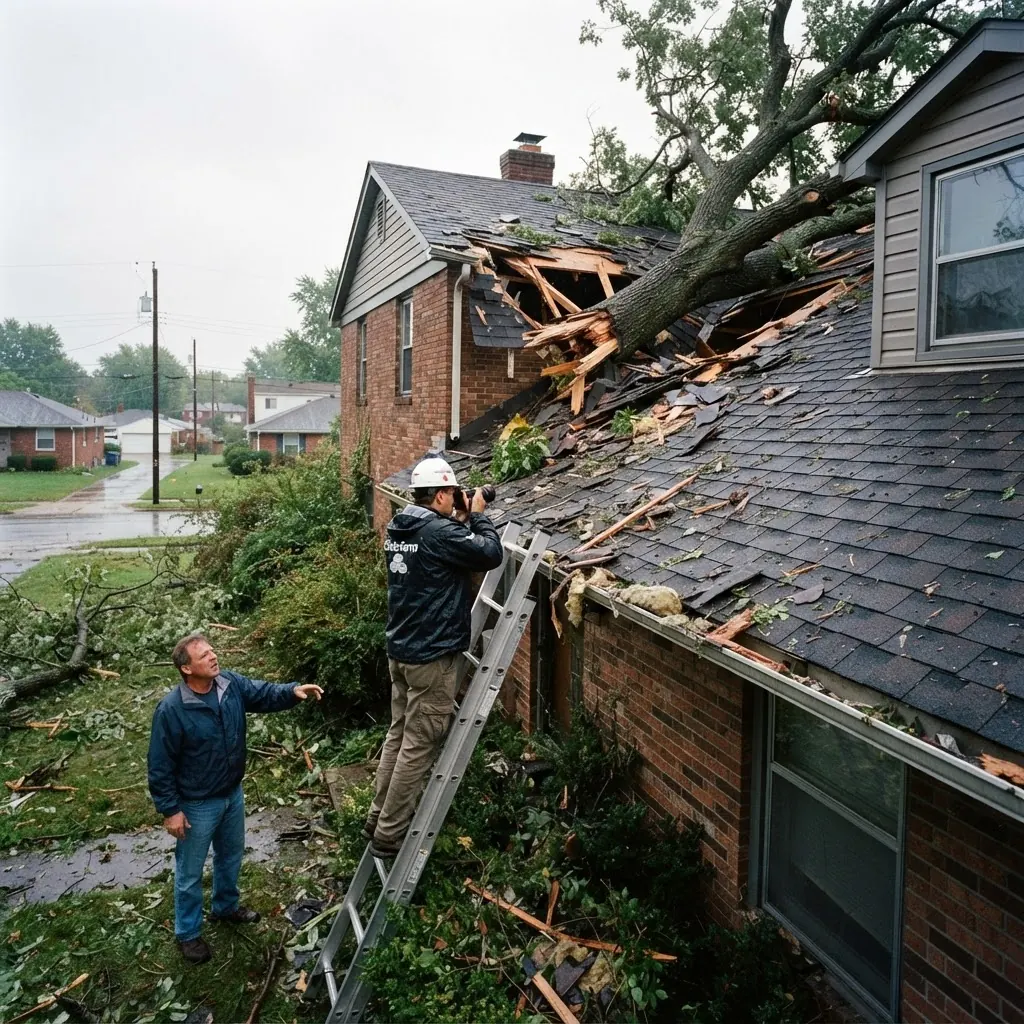
Most standard policies cover damage from a defined set of named perils, which generally includes: fire, lightning, windstorms and hail, explosions, theft and vandalism, and weight of snow or ice on the structure. Some of these have limits or specific conditions attached, but broadly, this list is the baseline most homeowners can rely on.
What's almost always excluded — and needs a separate policy
Flood damage
This is the single biggest gap and the one that catches the most people off guard. Standard homeowners insurance excludes flood damage entirely, regardless of the cause — heavy rain, storm surge, overflowing rivers, or general water intrusion from outside the home. Flood coverage has to be purchased separately, typically through the National Flood Insurance Program (NFIP) or a private flood insurance policy. Many homeowners in FEMA-designated high-risk flood zones are required by their mortgage lender to carry it — but plenty of serious flood damage happens outside those officially mapped zones too, where coverage is optional but arguably just as important.
Earthquake damage
Standard policies exclude earthquake damage as well, and this needs its own separate policy or endorsement, commonly available in earthquake-prone states. Coverage typically includes structural damage and can extend to personal property, depending on the specific policy, and often comes with a notably higher deductible than standard homeowners coverage — sometimes calculated as a percentage of your home's value rather than a flat dollar amount.
Sewer and drain backup
Damage from a sewer line or drain backing up into your home is usually excluded from standard policies, but is commonly available as an inexpensive add-on endorsement. Given how disruptive and unpleasant this specific type of damage is, and how affordable the add-on typically is, it's one of the more commonly recommended additions for homeowners in older neighborhoods with aging sewer infrastructure.
Mold (with important nuance)
Mold resulting from a sudden, covered event — say, a burst pipe you addressed quickly — is often covered as part of the resulting cleanup. Mold that develops from ongoing, unaddressed moisture or humidity issues is typically excluded as a maintenance issue rather than a sudden loss. Many policies also cap mold remediation coverage at a specific dollar amount even when it is covered.
Landslides, mudslides, and earth movement
Generally excluded from both standard homeowners and even most earthquake policies, and typically requiring a specialized difference-in-conditions (DIC) policy in areas prone to this risk — often coastal hillside communities or areas with a history of unstable terrain.
| Peril | Standard policy status | How to get coverage |
|---|---|---|
| Fire | Covered | Included |
| Windstorm/hail | Usually covered (some coastal areas have separate wind deductibles or exclusions) | Included, or check for regional wind exclusions |
| Flood | Excluded | NFIP or private flood policy |
| Earthquake | Excluded | Separate earthquake policy/endorsement |
| Sewer/drain backup | Excluded | Inexpensive add-on endorsement |
| Landslide/earth movement | Excluded | Specialized DIC policy where available |
Why this matters even if you don't live in an "obvious" risk zone
Flood risk in particular has been expanding beyond traditional FEMA flood maps as rainfall patterns and development change over time — a meaningful share of flood claims each year come from properties outside officially designated high-risk zones. "I'm not in a flood zone" is a weaker basis for skipping flood coverage than it used to be; it's worth checking current flood risk data for your specific address rather than relying on an outdated assumption.
How to actually check your exposure
- Pull up your specific address on FEMA's flood map service to check your current designated flood zone
- Ask your insurer directly which named perils your policy excludes — don't assume, since exclusions can vary somewhat by insurer and state
- If you're in an earthquake-prone region, get a quote for earthquake coverage even if you've never considered it — premiums vary more than people expect between providers
- Consider the sewer/drain backup endorsement if your home is older or in an area with aging infrastructure — it's usually inexpensive relative to the protection
- Re-check this list after any major home improvement, since renovations can sometimes change your coverage needs
The phrase "homeowners insurance" implies more comprehensive protection than most policies actually provide. Reading your policy's exclusions section once, rather than assuming, is the difference between a manageable claim and an uninsured disaster.
None of these additional policies are exotic or hard to obtain — they're just not automatic, and insurers have little incentive to proactively point out what your standard policy doesn't cover. That part is on you to check.
Frequently Asked Questions: Home & Renters
What does standard home insurance not cover?
Flood, earthquake, and sewer backup are excluded from standard policies and need separate coverage or endorsements. Normal wear and tear and deferred maintenance are never covered.
How is my home's insured value calculated?
Insurers typically insure the rebuild cost, not the market price of the home. Because construction costs rise, review your dwelling coverage every year or two.
Does renters insurance cover my roommate's belongings?
No. A renters policy only covers the belongings of the named policyholder. Roommates need their own policies.
Will a home insurance claim raise my premium?
Often yes, especially small claims. Insurers report claims to shared databases (CLUE reports) that follow your claims history for about seven years, so it can pay to absorb minor losses yourself.
Sources
- National Association of Insurance Commissioners (NAIC) — consumer guides and insurance industry data.
- Your state insurance department — state-specific rules, rate filings, and license verification.
- FEMA — flood risk and National Flood Insurance Program rules.
Sources reflect the primary references used to research this guide. Always confirm state-specific rules with your own insurance department.