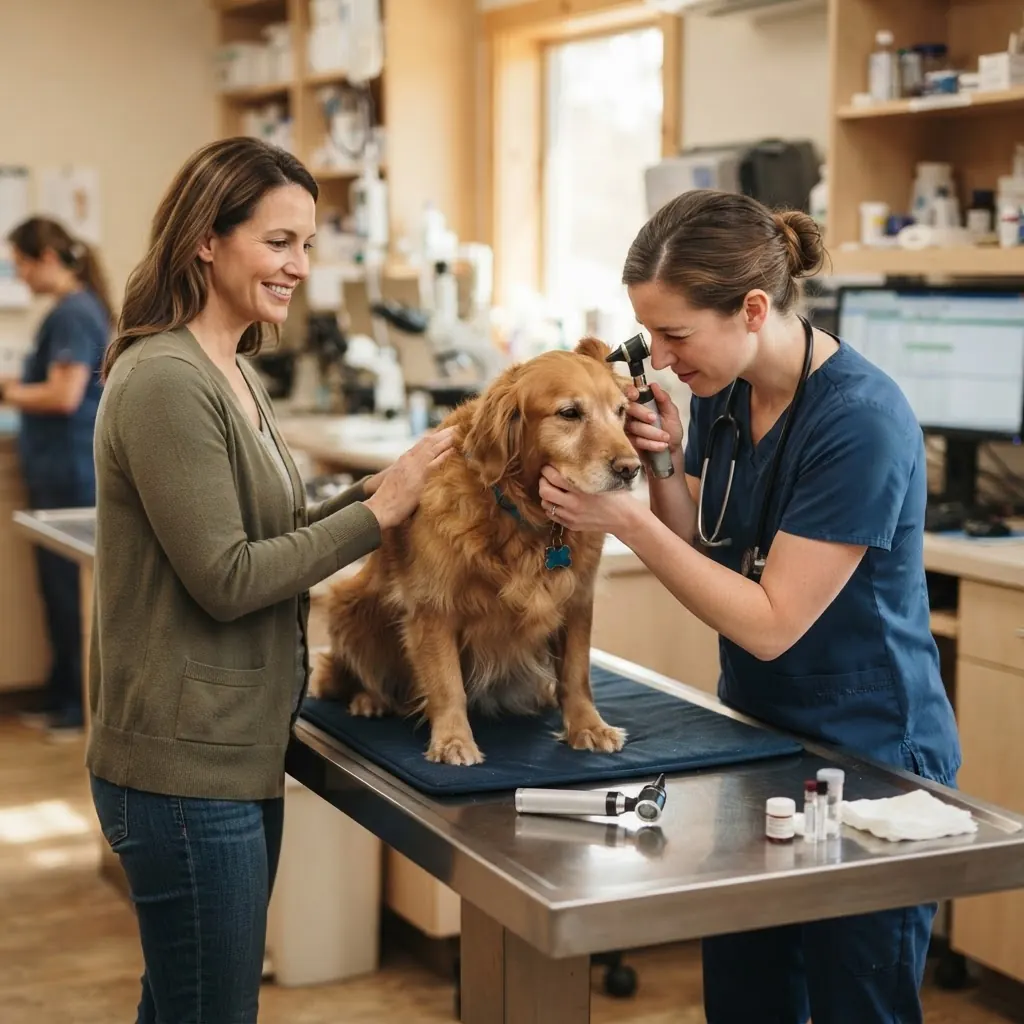
Vet bills for a serious illness or accident can run into the thousands. Here's the real math on pet insurance — what it covers, what it excludes, and when self-insuring makes more sense. This guide breaks down the key rules, the numbers that matter, and the practical steps to take for your own situation.
Our dog ate something he absolutely should not have eaten on a Tuesday evening, and by Wednesday morning we were looking at a $3,400 emergency surgery estimate. We had pet insurance, thankfully, and it covered most of it after our deductible. That single incident more than paid for years of premiums in one afternoon — which is exactly the story pet insurance companies love to tell, and exactly why it's worth understanding the actual math rather than just the anecdote.
What pet insurance typically covers
Most modern pet insurance policies are accident and illness plans, covering a broad range of veterinary costs: emergency surgery, diagnostic testing, hospitalization, cancer treatment, and prescription medications related to a covered condition. Many insurers also offer an optional wellness add-on covering routine care — annual checkups, vaccinations, dental cleanings — though this is priced and structured separately from the core accident/illness coverage.
How the reimbursement model actually works
Unlike human health insurance, most pet insurance operates on a reimbursement model: you pay the vet bill in full at the time of service, then submit a claim to your insurer, who reimburses you based on your policy's terms — typically a percentage (commonly 70%, 80%, or 90%) after your deductible is met. This means you need to be able to cover the full cost upfront and wait for reimbursement, which is worth planning for even with insurance in place.
The three numbers that actually determine your policy's value
- Reimbursement percentage — the share of a covered bill the insurer pays after your deductible, commonly 70-90%
- Annual deductible — what you pay out of pocket before reimbursement kicks in, ranging widely by policy
- Annual or per-incident coverage limit — the maximum the policy will pay out in a year or per condition; some policies offer unlimited annual coverage, others cap it, which matters enormously for a genuinely expensive, ongoing condition
| Policy feature | Why it matters |
|---|---|
| Unlimited vs. capped annual payout | A capped policy can leave you exposed for an expensive chronic condition or major surgery beyond the cap |
| Breed-specific exclusions | Some breeds prone to specific hereditary conditions may see those conditions excluded or priced higher |
| Age limits for enrollment | Some insurers cap the age at which a pet can newly enroll, so waiting too long can close this option entirely |
| Waiting periods | Most policies have a waiting period (often shorter for accidents, longer for illnesses) before coverage begins — you can't buy a policy the day of an emergency and expect it to apply |
The case for buying it
Veterinary medicine has advanced considerably, and so has its cost — advanced diagnostics, specialty surgery, and ongoing treatment for chronic conditions like diabetes or cancer can run into the thousands to tens of thousands of dollars over a pet's lifetime. Pet insurance essentially converts an unpredictable, potentially very large expense into a predictable monthly cost, which matters most for pet owners who would otherwise face a genuinely difficult decision between an expensive treatment and their pet's life.
The case for self-insuring instead
Some pet owners choose to set aside the money they'd otherwise spend on premiums into a dedicated savings account instead, essentially self-insuring. This can work out favorably for pet owners with a healthy, low-risk breed and the discipline to actually build and maintain that fund rather than spending it elsewhere. The tradeoff is that self-insuring only works if a major expense doesn't happen early, before the fund has had time to build up — pet insurance protects against exactly that timing risk.
The value of pet insurance isn't really about whether you'll come out ahead on average — for many healthy pets, you might pay more in premiums over a lifetime than you'd get back in claims. It's about converting a rare but potentially very large, unpredictable expense into a small, predictable one, which is what insurance is fundamentally for.
When to buy it
The clearest financial case for pet insurance is buying it while your pet is young and healthy, before any conditions have been diagnosed that would later be excluded as pre-existing. Waiting until a pet is older, or until after a health scare, significantly reduces the value of the policy, since more of your pet's actual risk profile becomes excluded from coverage.
A quick way to decide
- Get quotes for your specific pet's age, breed, and location — pricing varies more than people expect based on these factors
- Compare reimbursement percentage, deductible, and annual payout caps across at least two or three insurers
- Check specifically for any breed-related exclusions relevant to your pet
- Honestly assess whether you'd actually build and maintain a self-insurance fund, or whether the discipline of a monthly premium better fits how you manage money
- If you decide to buy, do it while your pet is young and before any conditions have been diagnosed
Whether it's "worth it" ultimately depends on your specific pet's risk profile and your own financial approach — but it's a decision worth making deliberately, with the actual policy terms in front of you, rather than defaulting either way out of habit.
Frequently Asked Questions: Pet Insurance
Is pet insurance worth the cost?
It is worth it if a sudden multi-thousand-dollar vet bill would be unaffordable. Premiums rise as your pet ages and most plans exclude pre-existing conditions, so enrolling while your pet is young and healthy gives the best value.
Does pet insurance cover pre-existing conditions?
No. Virtually every plan excludes conditions that showed symptoms before enrollment or during the waiting period.
How do deductibles and reimbursement work with pet insurance?
You pay the vet up front, submit the claim, and the insurer reimburses a percentage (typically 70 to 90 percent) of covered costs after your deductible.
Can I use any veterinarian?
Yes. Unlike human HMO plans, most pet insurance reimburses treatment from any licensed veterinarian or emergency clinic.
Sources
- National Association of Insurance Commissioners (NAIC) — consumer guides and insurance industry data.
- Your state insurance department — state-specific rules, rate filings, and license verification.
- Federal Trade Commission (FTC) — consumer protection guidance.
Sources reflect the primary references used to research this guide. Always confirm state-specific rules with your own insurance department.